Imprisoned because of a Musical
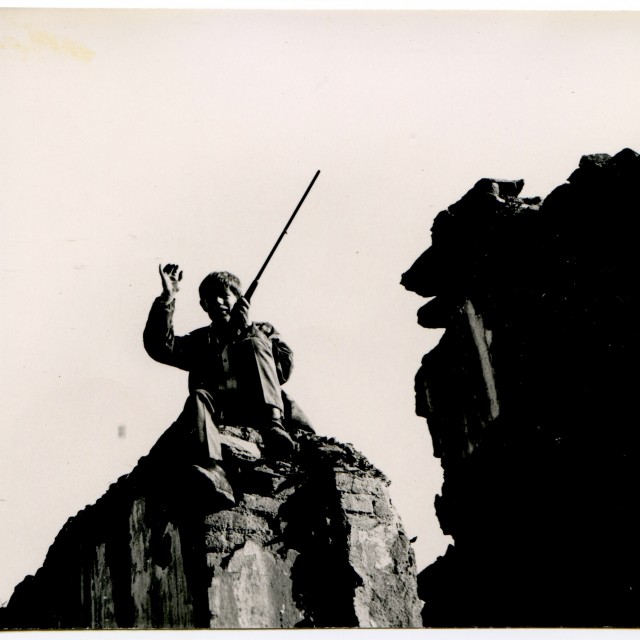
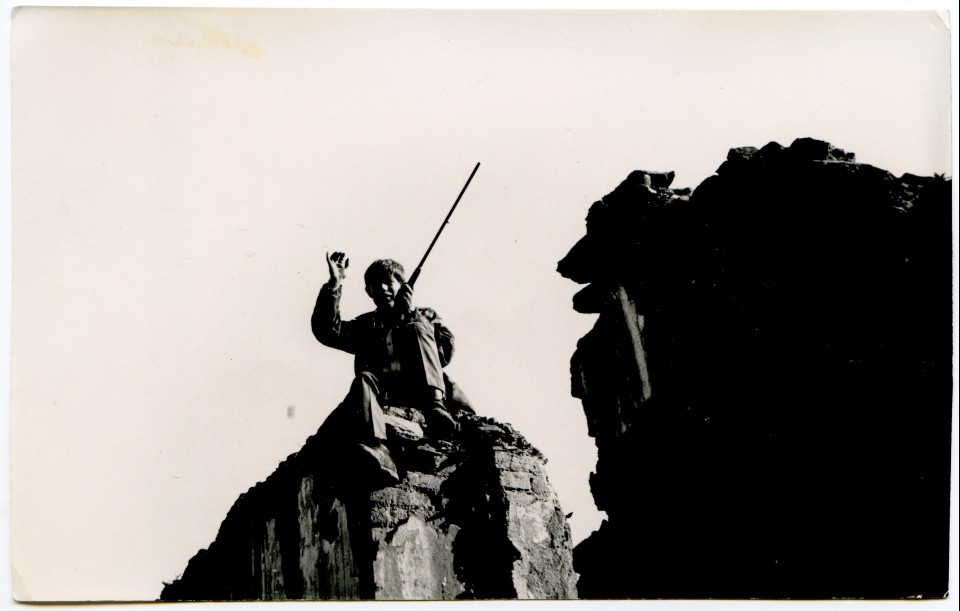
It was Saturday, October 10, 1970, and a group of friends from a defunct theater “Waterloo” in Ostrava was heading to Leskovec nad Moravicí. They wanted to celebrate the birthday of one of the friends in the cottage belonging to Petr Podhrázský. Among the group was a journalist, an artist, and the soon to be writer Ivan Binar. The group originally met in the theater “Pod okapem” and later on they established their own. In 1969, they staged a musical called “Son of the Regiment” based on the novel by Valentin Kataev; a piece that was greatly appreciated by the audiences. It was a satire aimed mainly at the Soviet occupation – a reality of the time. When the celebration in Leskovec took place, the musical was not played anymore, but the group decided to play it one more time, without the audience, just to amuse themselves. “The atmosphere back then was already pretty tense,” Ivan Binar recalls, “and of course, when more than three people met, one of them was surely a snout. So someone fingered us.” In February 1971, Binar and his friends were arrested, charged with animosity towards the socialistic system of government and sedition and sentenced to one year in prison.
Hodnocení
Abyste mohli hodnotit musíte se přihlásit!
Trasy
Příběh není součastí žádné trasy.
Komentáře
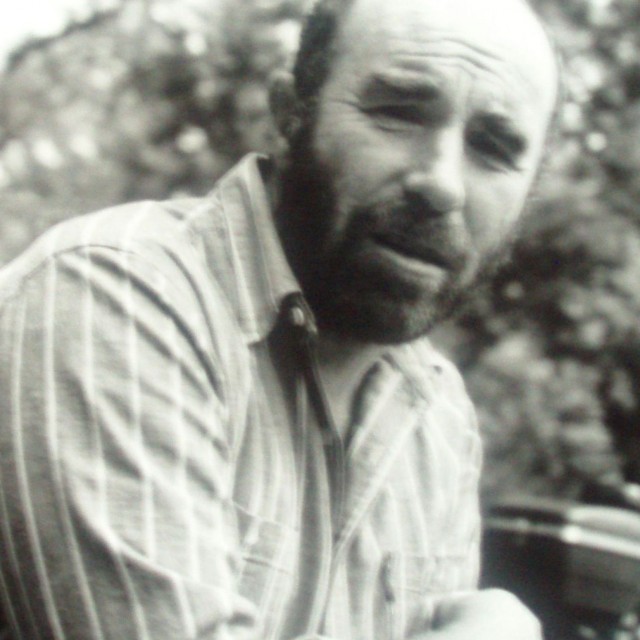
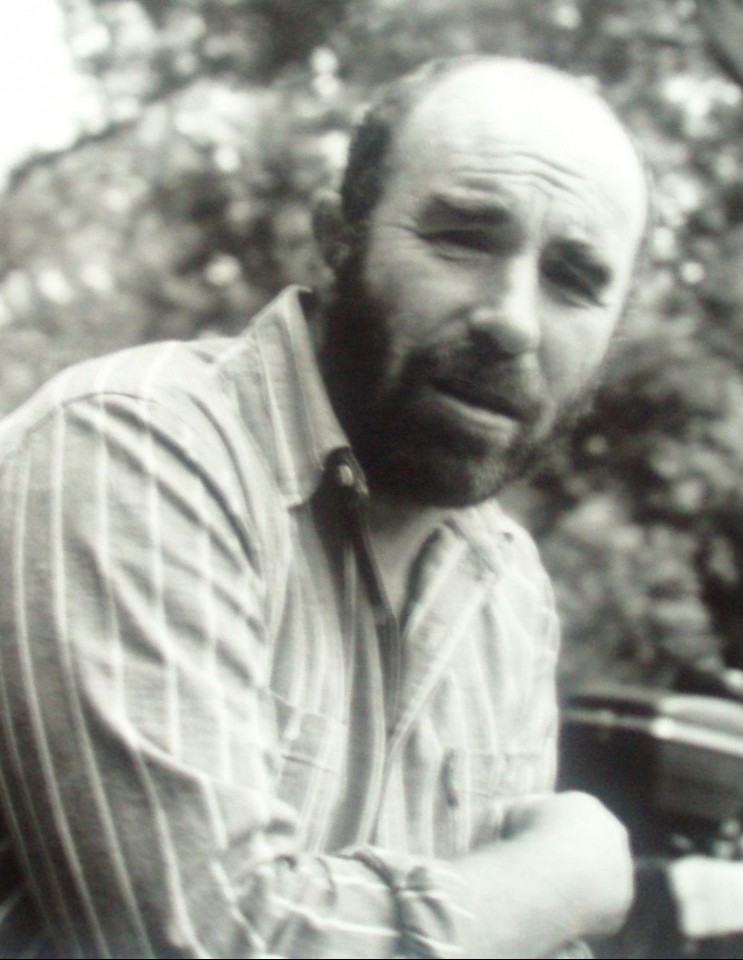
Ivan Binar
Ivan Binar was born on June 25, 1942 in Boskovice, but he grew up in Opava. During his studies at the Pedagogical Institute in Ostrava, he became an active member of the theater “Pod okapem.” After his graduation, he made his living as a teacher, and in 1968, he also became an editor of the “Tramp” magazine. He was, together with his friends from the defunct theater “Pod okapem,”one of the founders of the “Waterloo” theater; the piece “Son of the Regiment” staged in this theater served as the reason for his arrest and twelve months imprisonment. After being released from prison, he worked as a laborer. He also published in the samizdat series “Petlice." Upon signing Charter 77 he went into exile with his family. In Austria he originally worked as a porcelain renovator and then he started to cooperate with the Radio Free Europe. Between 1980-1983, he also worked as an interpreter in the refugee camp Traiskirchen. In the radio Free Europe he was responsible for press monitoring and later also for the program called “Hlasy a ohlasy,” (Voices and Responses). In 1994, he moved back to Prague, where he continued to work for the Czech broadcasting section of the Radio Free Europe until its closure in 2002. In November 2002, he was elected the president of the Union of Czech Writers. At present, he lives in Prague and writes books.