Daily Showering in Budin
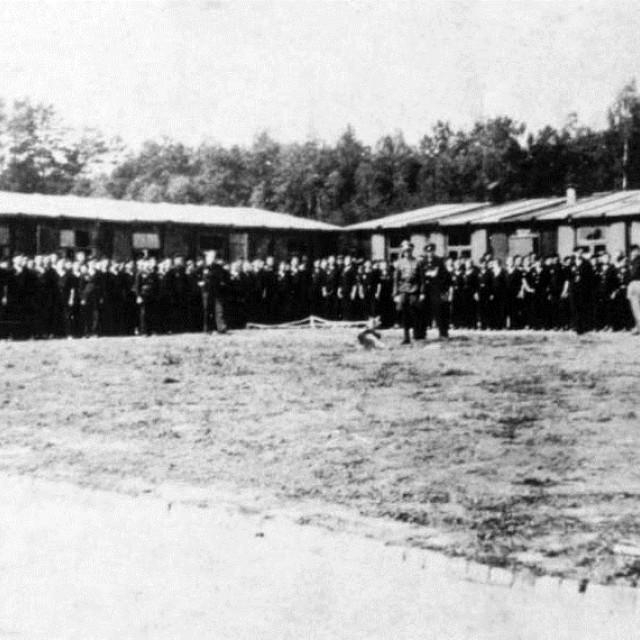
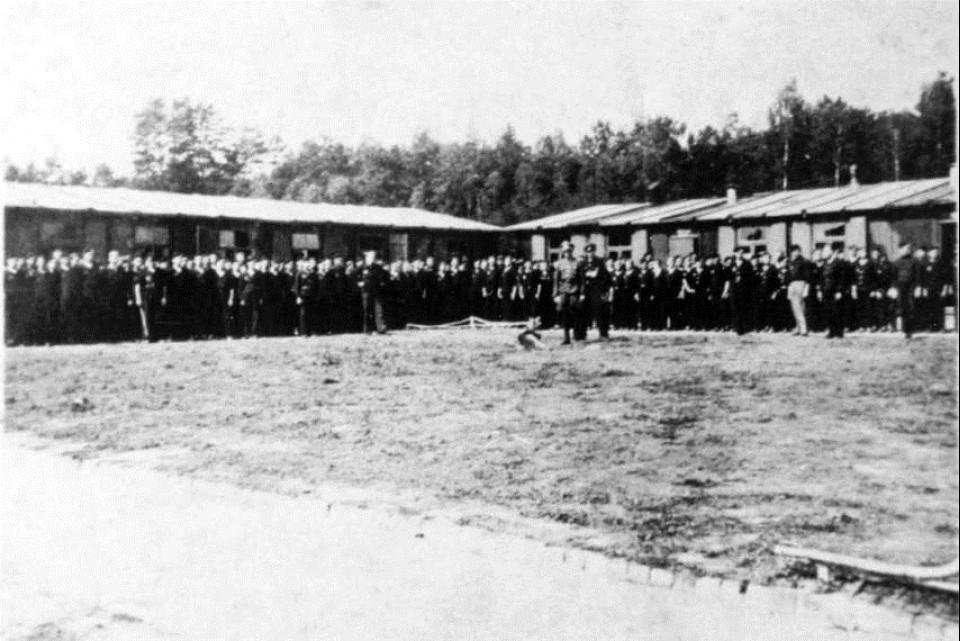
Jindřich Feinberg, a Jew from Brno, answered a German call in the concentration camp in Minsk and applied for the position of a German speaking junior mechanical draughtsman in Budin. “In November 1943, they transported me to Budin. I had to shower every day, I got riding breeches, a shirt; I simply had to look like a mechanical draughtsman. One Polish woman did the cleaning in our office. She brought me bread I had to pay for, so I borrowed the money for it. Then I sold the bread for the same price to one man from a workshop, but I always cut off a part of the loaf. That way I was not hungry.”
Hodnocení
Abyste mohli hodnotit musíte se přihlásit!
Trasy
Příběh není součastí žádné trasy.
Komentáře
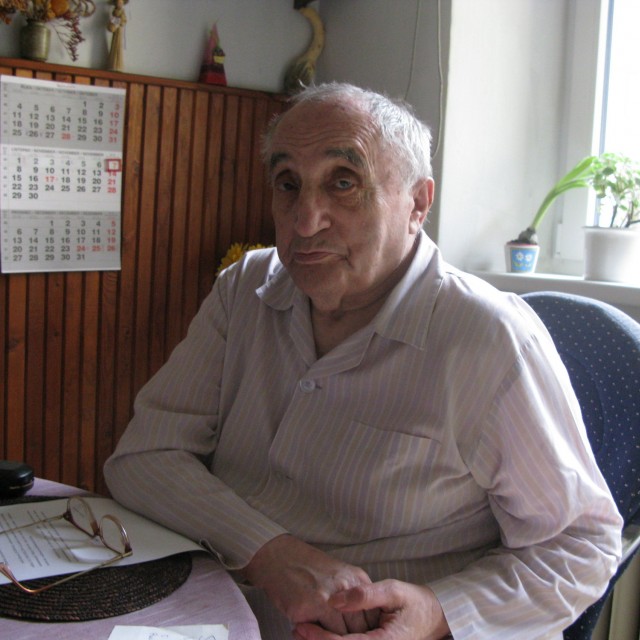
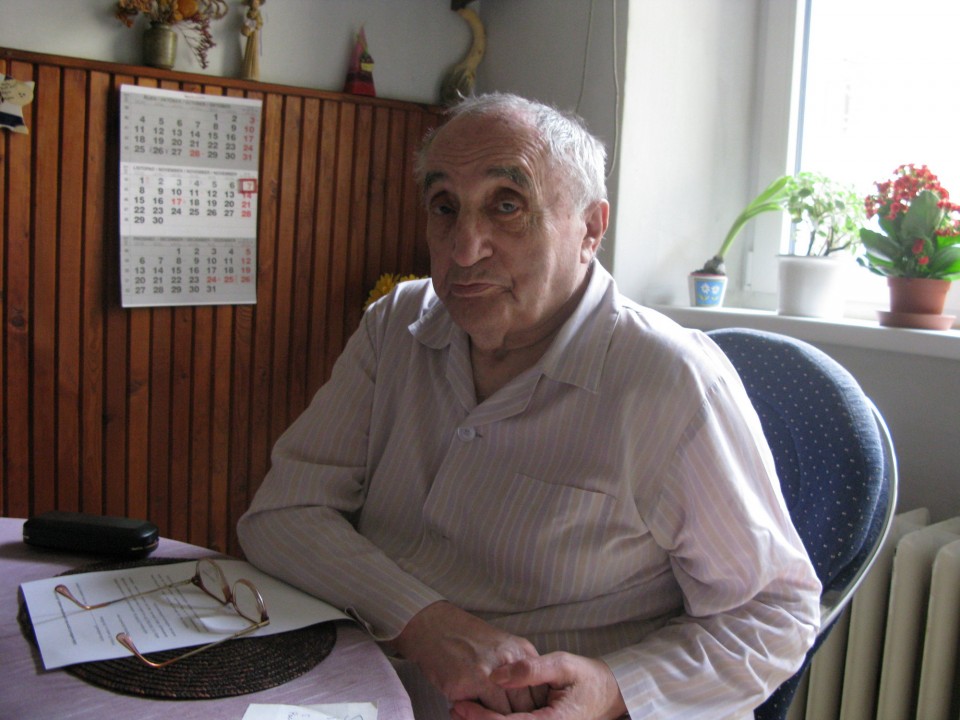
Jindřich Feinberg
Jindřich Feinberg was born on 28.8.1923 in Brno. He comes from a Jewish family. His father was Josef Feinberg, originally from Poland, who worked as a salesman. His mother Elsa neé Karpelisová was a teacher. Feinberg also had an older sister Gertrude, who later on died in the ghetto in Minsk. Feinberg studied at a German primary school, which he left at the age of 15 because of anti-Semitism and began to work. His father was interned at Spilberg castle, and was followed by Jindřich shortly after. In September, 1941, the whole family was transported to the East to Minsk. Only Jindřich survived the ghetto as he was sent to work camp in the Polish city of Budin in November, 1943. He traveled then from Budin through Majdanek to Plaszow, where he worked also as a guard for two months. In the same year, he was sent to Flossenbürg and in May, 1945 he was liberated by Americans in the nearby city of Pocking. After the war in 1948, he was tried for collaboration with the Nazi regime (found guilty, but not sentenced). In 1962, he was sentenced to 10 months unconditionally firstly for "subversion" which was then changed to "defamation of the Republic". Jindřich Feinberg lives in Brno with his wife Zina.