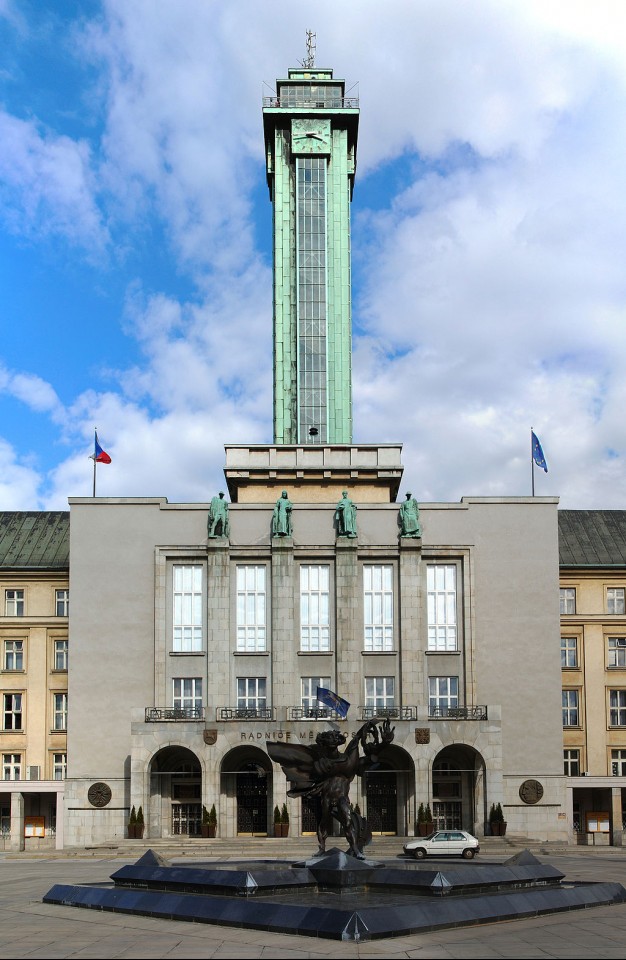
The helmets and arms were glittering in the rain
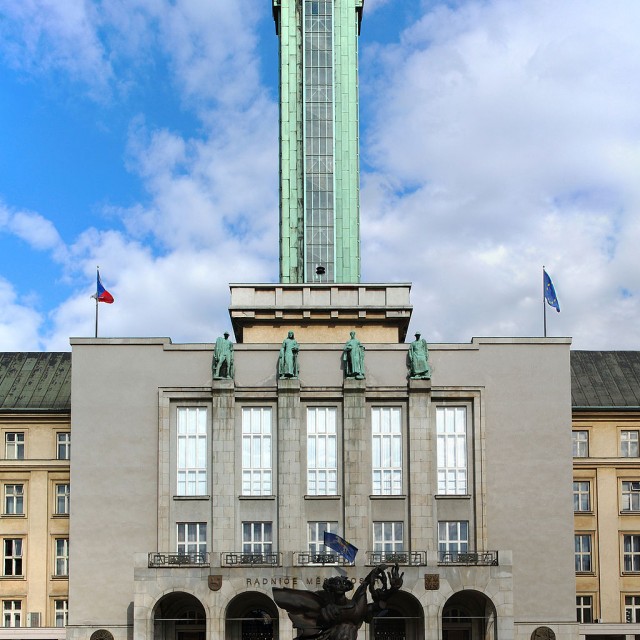
Judita Riffová, (now Judita Diamond), was seven years old when the German troops marched into her hometown of Ostrava. Even after all these years, she recalls the first day of the occupation of Czechoslovakia as a very traumatic experience: “I remember that on March 15, 1939, my mother came home late from the office. She had to take a detour along the new city hall building, which stood in the outskirts of the city center. She had to go this way because the army had marched straight into the city and we lived quite close to the center. She came home crying, visibly very upset from what she'd seen. It had been raining that day and she described the way that the helmets and weapons of the soldiers glistened.” Judita recalls that the city residents were supposed to greet the German soldiers by saluting them. Their teacher Svoboda advised the children how to avoid the salute: “He came to our class room and said: ‘kids, if you don’t want to salute the troops marching around the city, go to a door and stay standing there. Let the troops pass and then you can walk on.’ The Germans quickly put him in jail and he died in a concentration camp. I think they shot him.”
Hodnocení
Abyste mohli hodnotit musíte se přihlásit!
Trasy
Příběh není součastí žádné trasy.
Komentáře
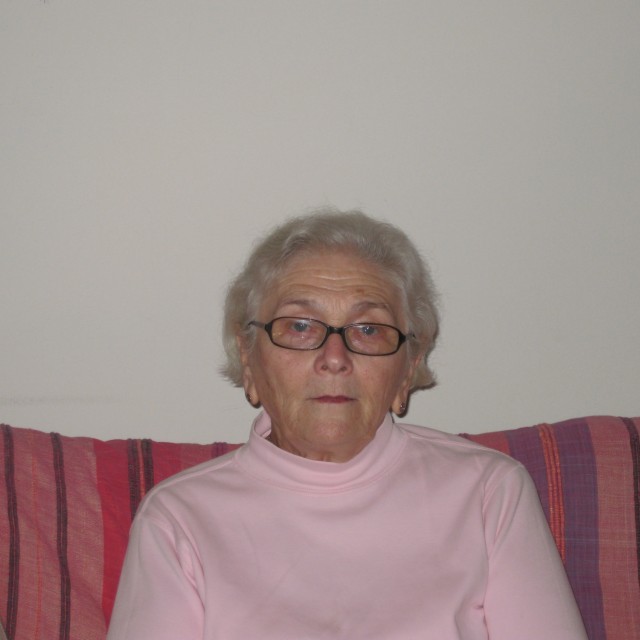
Judy Diamond
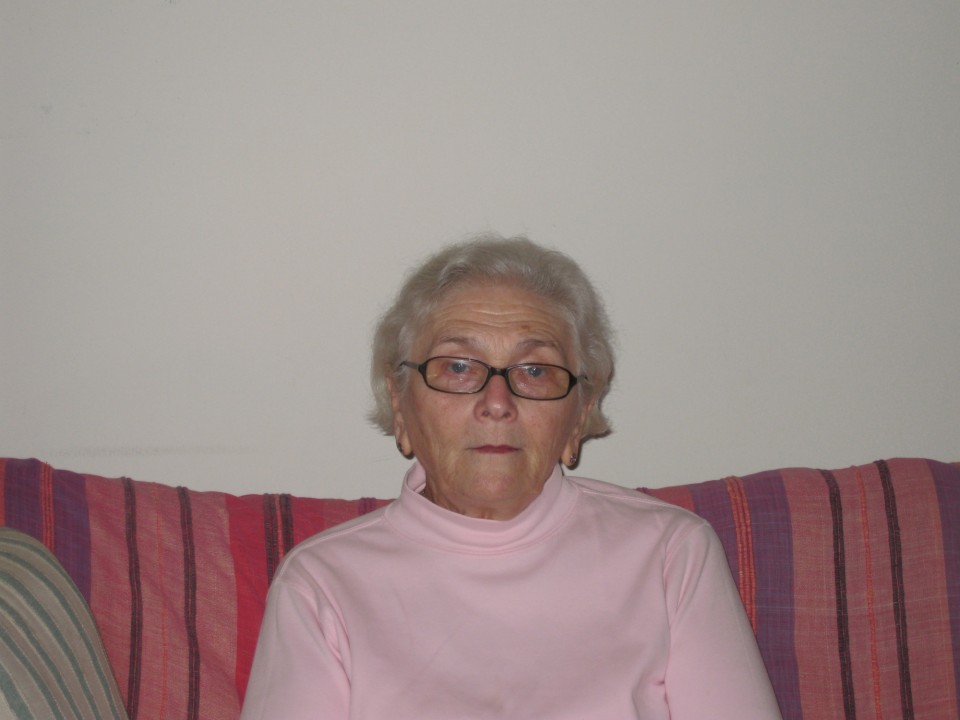
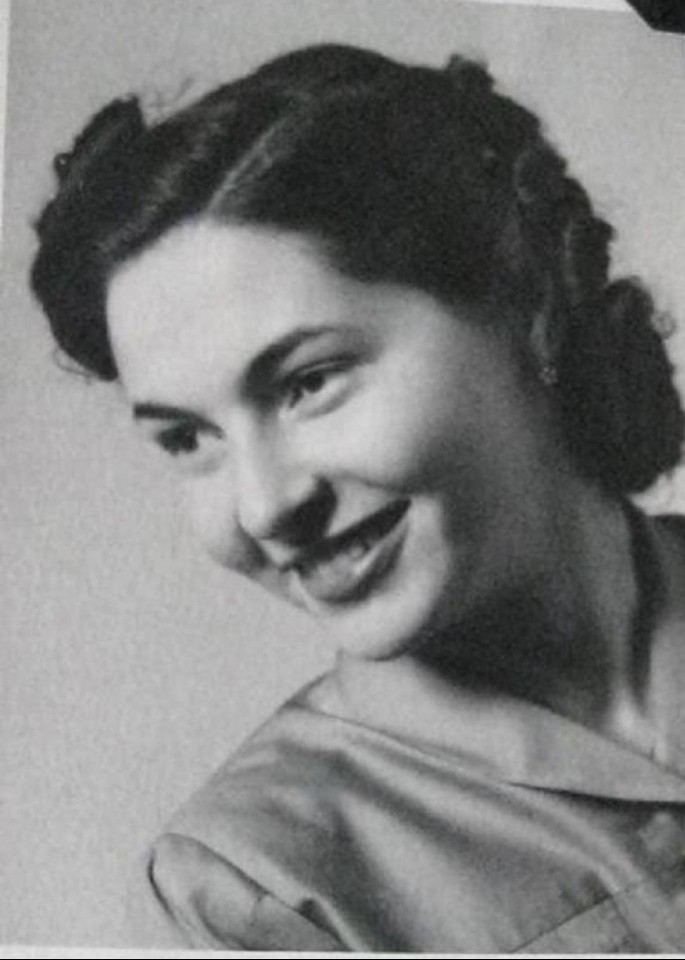
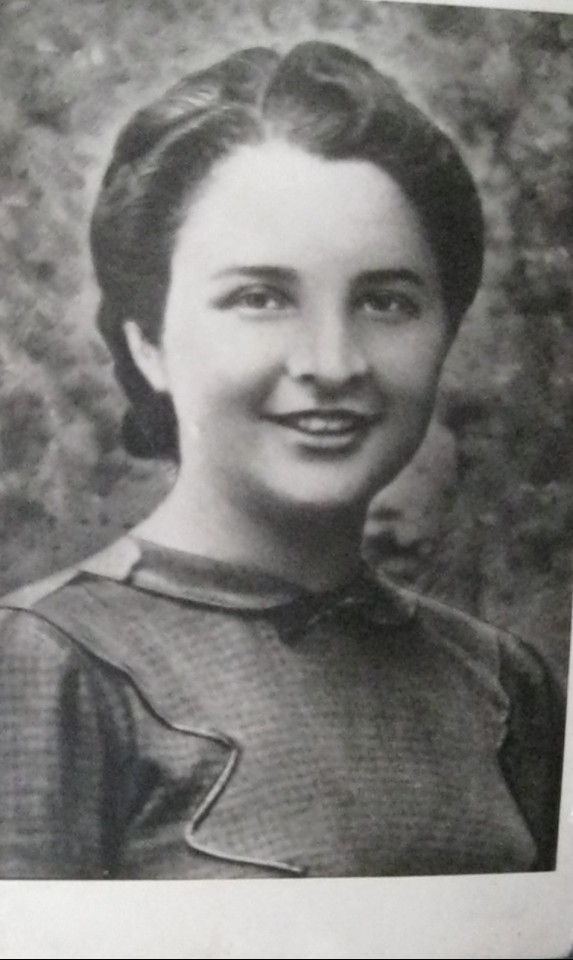
Judy Diamond was born in 1932 as Judita Riffová, in a Jewish family from Ostrava. Her mother worked as a secretary and she got divorced with Judita’s father soon after her birth. After some time, she married a non-Jewish man which protected her and her daughter for some time from being deported to the ghetto. Judita’s mother became ill with tuberculosis and died in 1943. Judita was taken care of by her foster father, who sent her to his non-Jewish friends in Zlín for a number of months in an effort to protect her from the deportation to Theresienstadt. Unfortunately, all his efforts were in vain and Judita was finally taken to the ghetto of Theresienstadt in March 1945. She remained there until the liberation of the ghetto in May 1945. Thereafter, she returned to Ostrava, where she reunited with her step father. Her grandmother and aunt were murdered in the Auschwitz concentration camp. After the war, she studied at a grammar school. In December 1947, she went to England, accepting a proposal by her uncle, her mother’s brother who had emigrated to England before the war. After 1948, she was banned from returning to Czechoslovakia. She was told by the Czechoslovak embassy in London to either immediately return to Czechoslovakia herself or to hand in her passport. In the beginning of the 1950s, she went to her family relatives in Kenya, where she met her husband who came from a Jewish family originally living in the vicinity of the Russian Yekaterinoslav. Her husband and she lived in Kenya and South Africa. Judy Diamond has two daughters and since 1999, she has lived in New York City to be closer to her daughters and grandchildren.